

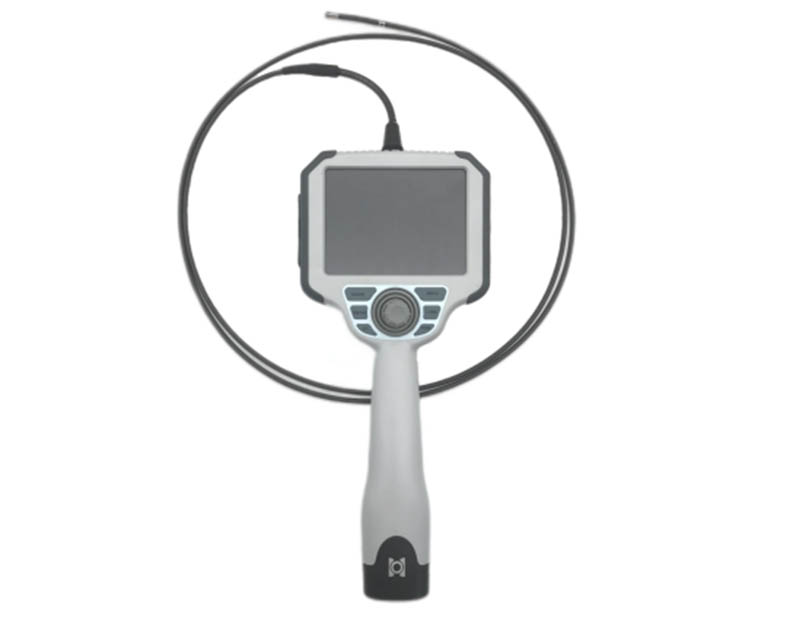
Many industrial equipment and facilities have internal conditions that cannot be directly observed by inspectors, such as chamber structures, pipe inner walls, assembly areas, etc. However, the emergence of industrial videoscopes, a type of remote visual inspection equipment, can conveniently achieve intuitive inspection of these internal conditions, and its uses are diverse.
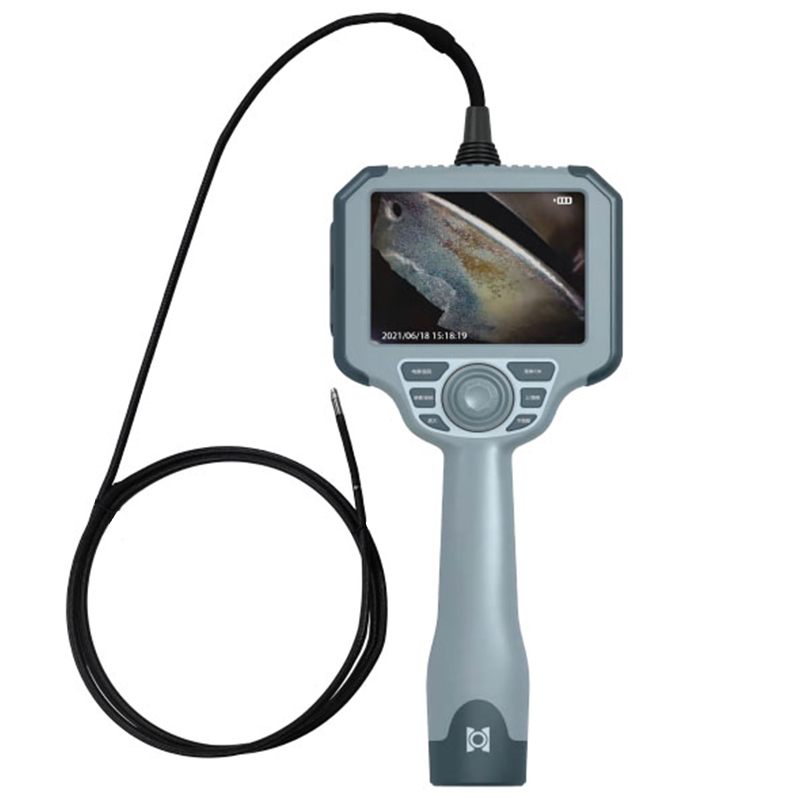
Industrial videoscopes can be used for safety inspections. They can be used for preventive inspections and troubleshooting after anomalies occur to make correct decisions. As they do not require disassembly and have low inspection costs, they can help achieve a balance between safety and efficiency. For example, using automotive videoscopes to visually diagnose carbon deposits and blockages in engine cylinders and oil circuits, and inspect welding gaps and sealing inside the car body cavity. Meanwhile, videoscopic hole probes can inspect internal erosion and foreign object damage in aircraft turbofan engines and eliminate foreign objects.
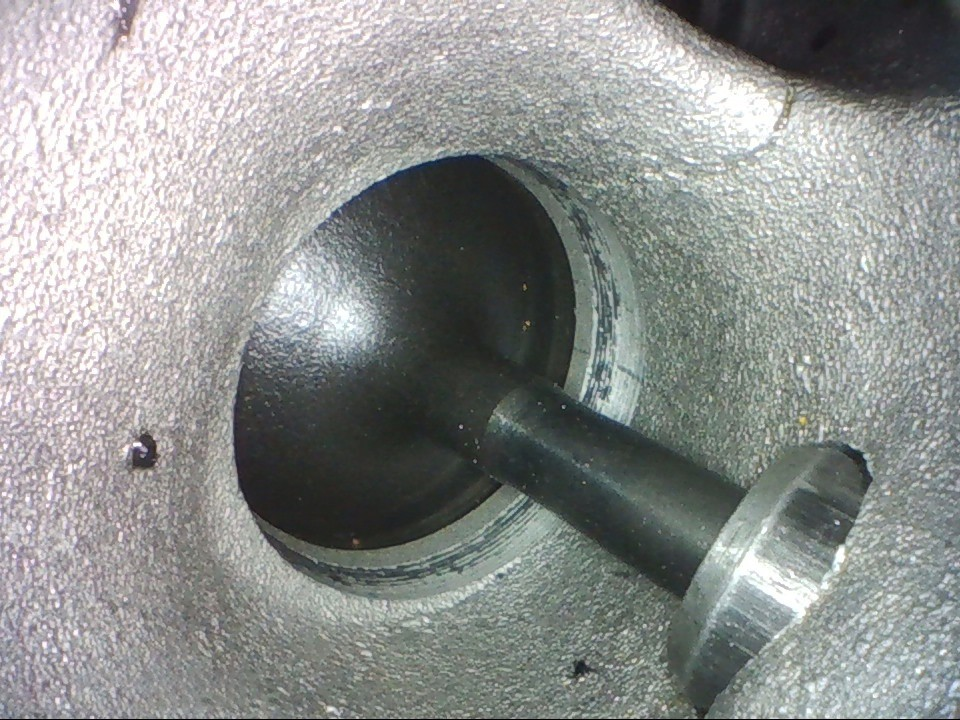
Industrial videoscopes can also be used for quality control. During the production and manufacturing stage, videoscopes can be used to check the internal quality of casting parts, precision parts, and complex internal surface structure products. For example, checking automotive parts, hydraulic castings, pump bodies, valve bodies, etc., can clearly observe the hole seams and small internal cavities with videoscopes, efficiently detecting quality problems such as casting sand inclusion, burrs, staggered holes, welding splashes, scratches, and other defects. Compared with traditional sampling methods, industrial videoscopes have advantages such as comprehensiveness, speed, and non-destructiveness, which can improve the accuracy and efficiency of quality control.
Industrial videoscopes can also be used for teaching and training. They can help students and engineers understand the equipment's structure, construction, and working principles, as well as how to maintain and upkeep it. For example, videoscopes can be used to demonstrate the structure and working principles of equipment such as car engines, hydraulic devices, gearboxes, etc., allowing students to gain a deeper understanding of various equipment.
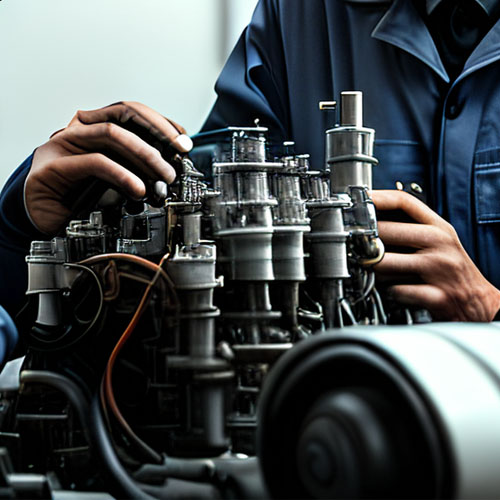
Industrial videoscopes play an important role in modern industrial production, which can improve production efficiency, reduce costs, and ensure product quality and safety. With the continuous development of technology, the application scope of industrial videoscopes will become increasingly widespread and have significant implications for promoting industrial development and innovation.

Digging Deep: How to Choose the Right Industrial Borescope?
Quality, Illumination, Materials, and Service: Exploring the Determinants of Industrial Borescope Pr
Automotive Borescopes: Efficient Visual Inspection Tools for Automotive Maintenance and Repair
Industrial Borescope: A Versatile Inspection Tool for Enhancing Safety and Efficiency
Industrial borescope Technology: An Effective Means to Enhance Aircraft Engine Safety
Perspective on industrial quality: Non-destructive testing technology of industrial Borescope
Using industrial video borescope technology to explore the unseen world inside industrial areas.
Using video industrial borescope inspection technology breaks the detection limitations in existing